The Allure of the Steam Whistle
The era of steam locomotives may have faded into history, but the nostalgic wail of a steam whistle still resonates deeply with rail enthusiasts. While modern diesel trains rely on horns, there's an unmistakable charm to the multi-toned chime of a classic steam whistle. Now, thanks to the ingenuity of hobbyist AeroKoi, that sound can be recreated using modern 3D printing technology—without the need for a boiler or live steam.
Recreating a Whistle Without Steam
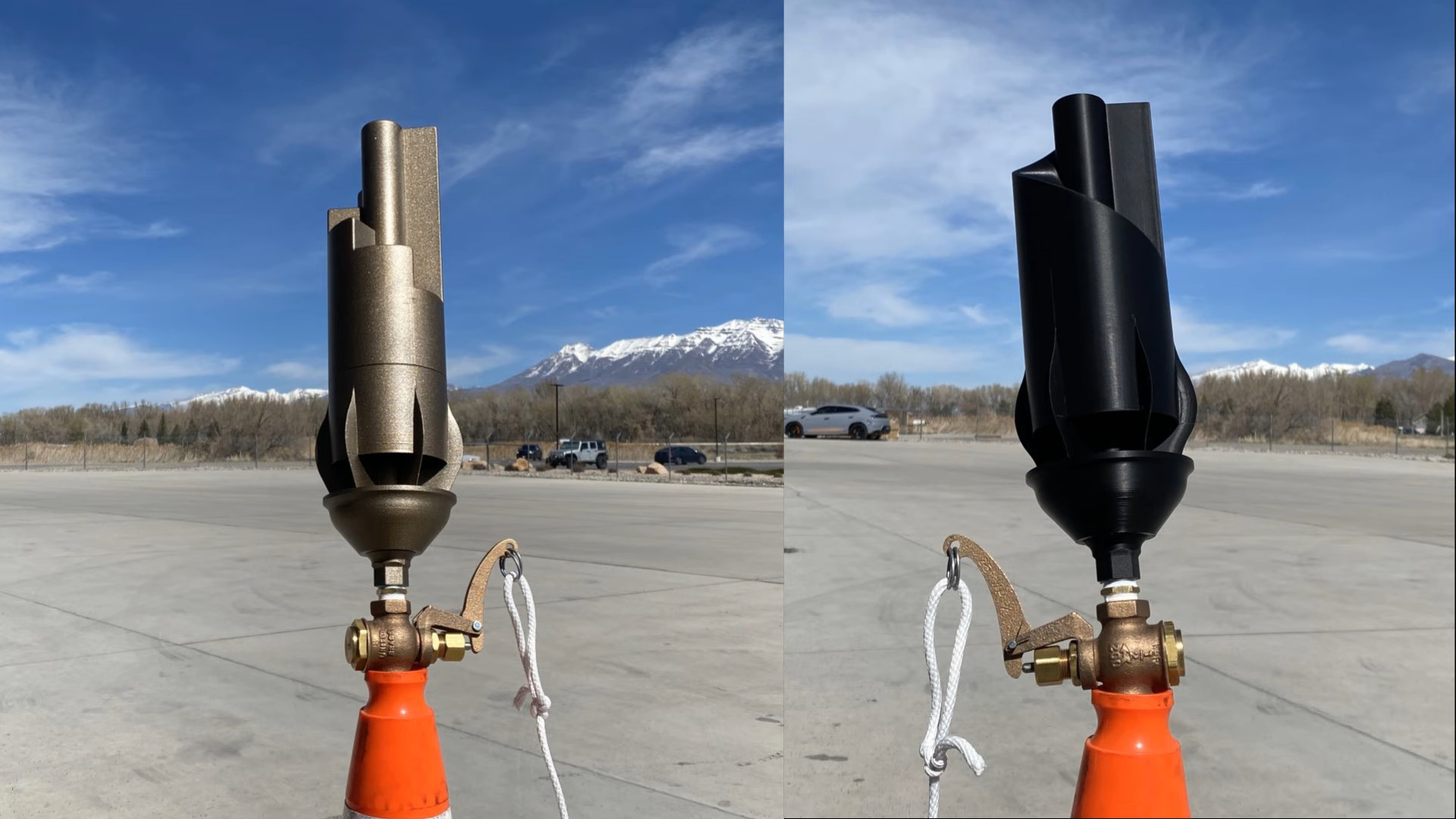
Traditional steam whistles, made of brass or bronze, rely on high-pressure steam to produce their distinctive notes. Plastic, however, cannot withstand the heat and pressure of live steam. To overcome this, AeroKoi uses compressed air instead. This approach is not only safer and more practical for a home workshop but also delivers surprisingly authentic results. Many hobbyists report that the difference between compressed air and steam is negligible for properly designed brass whistles, so plastic versions perform equally well. Indeed, AeroKoi's multi-part prints held together under pressures up to 120 PSI, producing a sound that delighted fans.
Designing the Perfect 3D-Printed Whistle
Developing a functional whistle required experimentation. AeroKoi documented his learning process, highlighting which design features worked best. Critical factors included the shape of the mouth (the slot where air escapes), the tuning of the resonant chamber, and the overall geometry. The final successful designs were printed in vertically sectioned parts, which allowed for better assembly and sound quality. All parts are available on Thingiverse for other makers to try.
Santa Fe Railroad 6-Chime Whistle
One of the standout successes is a replica of the Santa Fe Railroad's 6-chime whistle. Measuring 4 inches in diameter, this design captures the rich, multi-layered sound that once echoed across the American Southwest. The six separate chimes produce a harmonious chord, each tuned to a specific note. AeroKoi's version is a faithful reproduction, with all the complexity of the original cast brass whistles.
Northern Pacific 5-Chime Whistle
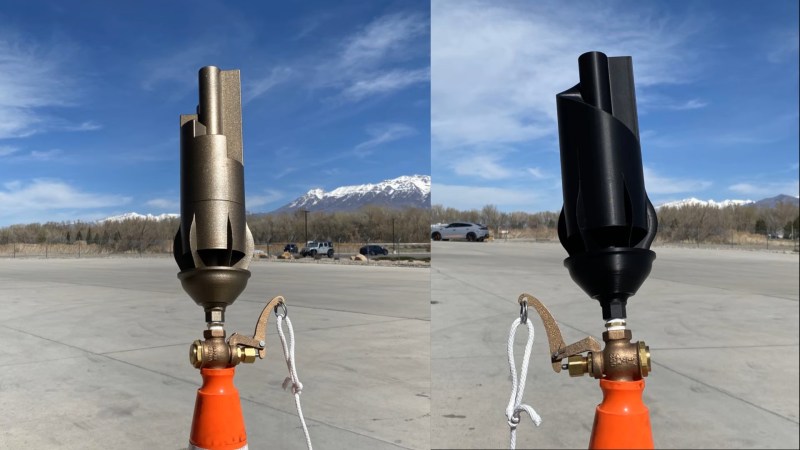
Equally impressive is the Northern Pacific 5-chime whistle, also 4 inches in diameter. This whistle has a deeper, more mellow tone, characteristic of the Pacific Northwest railroads. It is important not to confuse this with the Union Pacific Railroad's whistle used on the famous Big Boy locomotives. Although AeroKoi demonstrated a Big Boy whistle in his video, he considered it less successful and chose not to release the design.
European Possibilities and Further Exploration
While these designs are based on North American prototypes, there is no reason the same technique could not be adapted to replicate the distinct sounds of European steam whistles. In fact, one of AeroKoi's early experiments veered in that direction, hinting at a broader potential for this technology. Whether you want the high-pitched trill of a British Great Western whistle or the deep roar of a German Dampflok, 3D printing with compressed air offers a flexible platform.
For those seeking absolute authenticity, cast brass and live steam remain the gold standard. But for hobbyists who want to experiment without a boiler and high-pressure steam, AeroKoi's approach is both accessible and effective. To dive deeper into railroad whistles, check out our previous features, including one that turned a train whistle into a doorbell.
Whether you're a seasoned model engineer or a curious maker, these 3D-printed whistles bring the soul of steam back to life—one compressed-air blast at a time.