The Humble Hauler, a daring startup based in California, has unveiled a delivery bot that dispenses with the driver's cab entirely. This radical design promises to reshape the freight industry by combining autonomous driving with a compact, cargo-optimized form factor. In this Q&A, we dive into the key questions about this innovation.
1. What exactly is The Humble Hauler's vehicle?
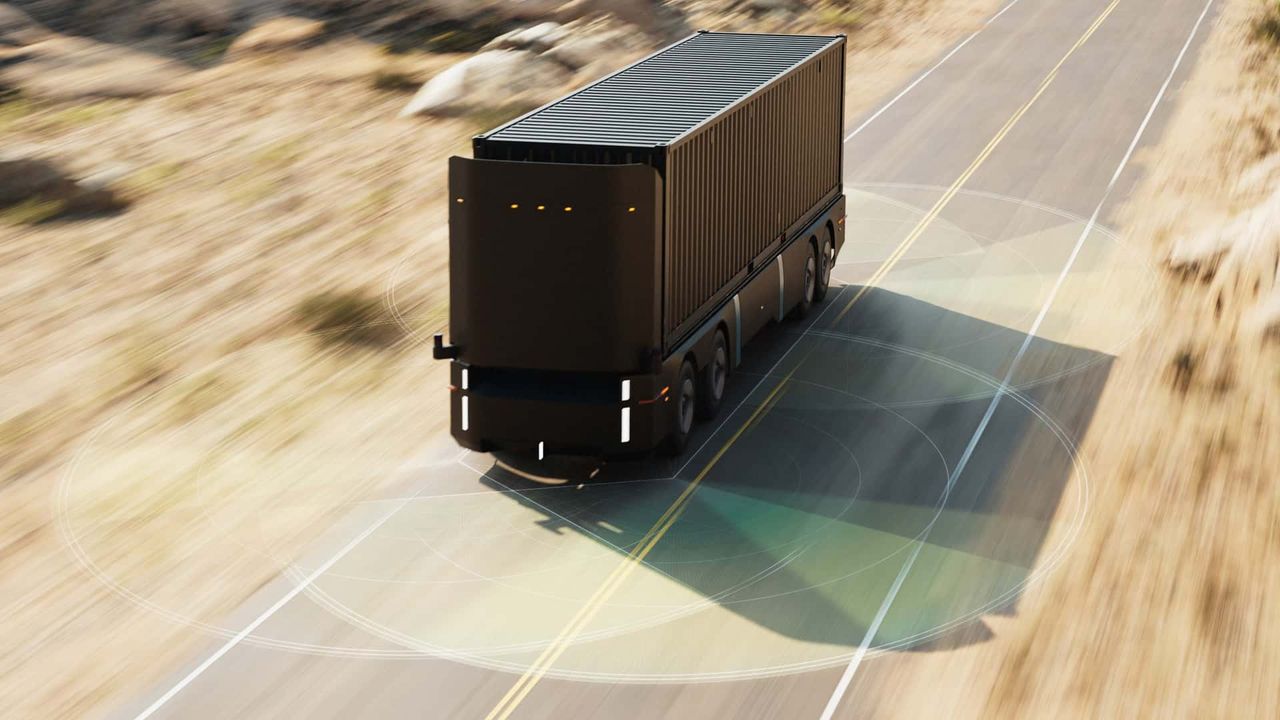
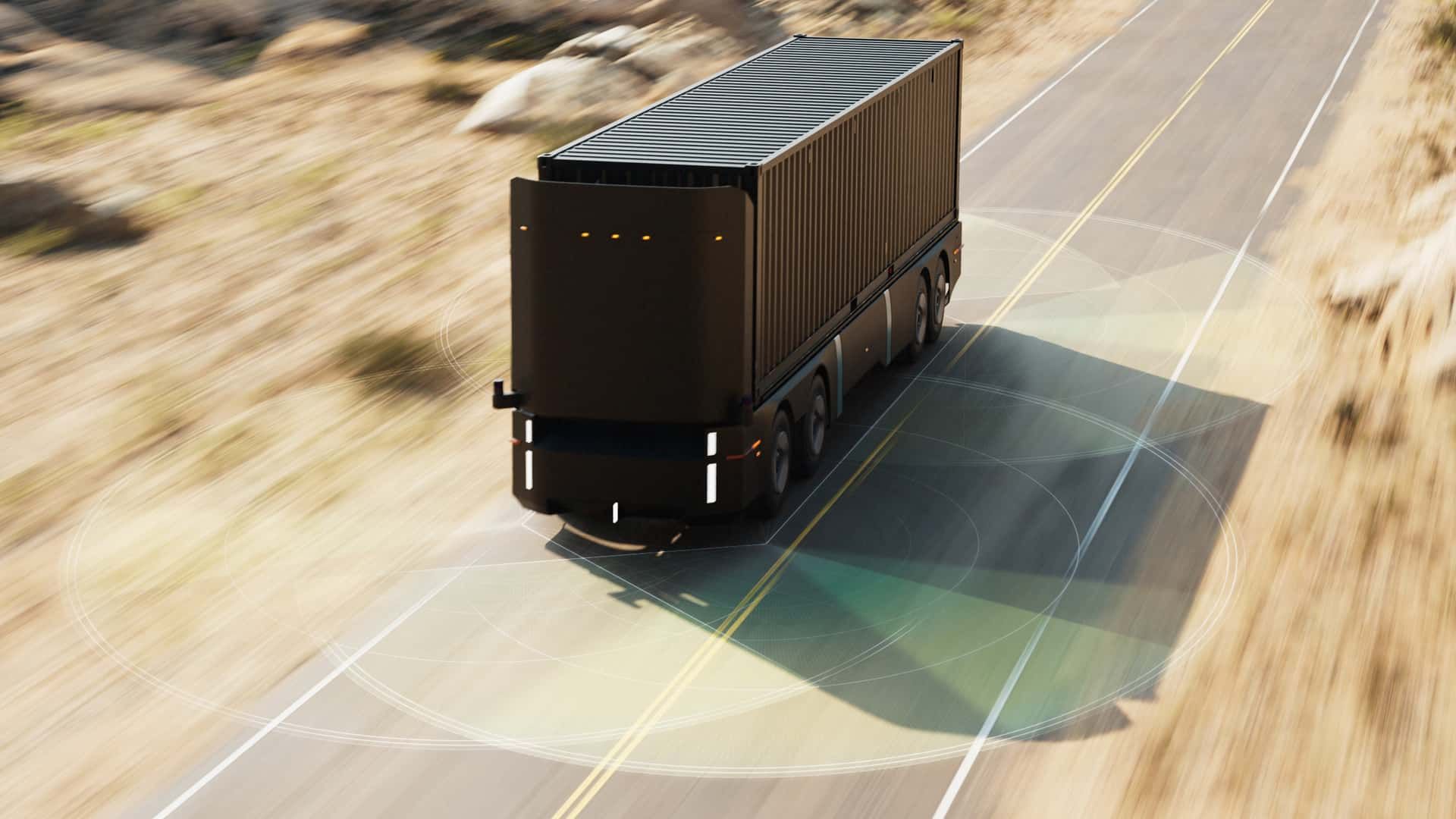
The Humble Hauler is an autonomous delivery vehicle that completely eliminates the traditional driver's cab. Instead, the entire footprint is dedicated to cargo, making it a cab-less design that resembles a self-driving box on wheels. The bot uses a combination of lidar, radar, cameras, and advanced AI to navigate roads and deliver freight without any human intervention. Its modular cargo space can be customized for different industries—from food delivery to industrial equipment—and is designed to operate in both urban and highway environments. The company claims this radical simplification reduces manufacturing costs by up to 40% compared to conventional trucks, while also increasing cargo volume by 25% for the same vehicle length.
2. How does it navigate without a driver?
The Humble Hauler relies on a Level 4 autonomous driving system, meaning it can operate without a human driver in most conditions. Its sensor suite includes high-resolution cameras, 360-degree lidar, and long-range radar, all feeding data into a custom neural network trained on millions of miles of real-world driving. The vehicle uses HD maps and real-time traffic updates to plan optimal routes. For safety, it employs redundant braking, steering, and power systems. Remote operators can monitor the fleet and take control in rare edge cases, but the vehicle is designed to handle everything from highway merges to narrow city streets without human input.
3. What are the main advantages of a cab-less design?
First, it maximizes cargo space—every inch previously taken up by the driver's seat, steering wheel, and instrument panel becomes usable storage. Second, it lowers production costs dramatically by removing expensive cabin components and crash-protection structures for a human occupant. Third, the aerodynamic shape reduces drag, improving energy efficiency by 15–20% in electric versions. Fourth, it simplifies maintenance: there are no driver comfort systems (HVAC, seats, infotainment) to service. Finally, the design increases safety by eliminating driver fatigue and distraction, and allows the vehicle to drive 24/7. For a logistics company, these advantages translate to lower per-mile costs and faster delivery times.
4. What challenges does the company face?
The biggest challenge is regulatory approval. Most countries still require a human driver or at least a remote operator with a direct view of the road, which the cab-less design complicates. The Humble Hauler must also prove its safety record to insurance companies and the public. Another challenge is public perception—seeing a driverless box moving through traffic can be unsettling. Additionally, the vehicle must handle extreme weather (snow, fog) that can degrade sensors. The company has tested in California, but scaling to other climates requires more data. Finally, charging infrastructure for electric autonomous trucks is still sparse, limiting range and route flexibility.
5. How might this impact the logistics industry?
The Humble Hauler could disrupt traditional freight models by lowering the cost of last-mile and middle-mile delivery. With no driver wages, trucking companies could reduce operating expenses by 30–50%. This might lead to massive consolidation, as smaller carriers without autonomous technology struggle to compete. It could also accelerate the shift toward electric fleets, since the cab-less design reduces weight and improves efficiency. Warehouses and distribution centers would need to adapt their loading docks to accept these bots. Unions and driver associations will likely push back, but the economic incentive may prove irresistible. Overall, the technology promises faster, cheaper, and more reliable freight movement—but with significant social and workforce implications.
6. When can we expect to see these vehicles on the road?
The Humble Hauler has already begun limited pilot programs with select logistics partners in California. The company aims for full commercial deployment by 2026, pending regulatory approval. However, widespread adoption may take longer—perhaps 2030 or beyond—due to the need for updated regulations, public acceptance, and infrastructure (such as dedicated autonomous vehicle lanes and charging stations). The company is also exploring partnerships with major retailers like Amazon and Walmart to deploy in closed campuses first. If the pilots succeed, expect a gradual rollout starting in sun-belt states before expanding nationally. For now, the future looks promising but uncertain, as the technology must overcome both technical and societal hurdles.