Intel Corporation has reportedly signed a preliminary agreement with Apple Inc. to manufacture chips for select Apple devices, according to sources cited by The Wall Street Journal. The deal, finalized in recent months after more than a year of negotiations, sent Intel shares soaring 13.9% in a single day, reflecting investor optimism about the chipmaker’s strategic pivot toward contract manufacturing. This article explores the background of the negotiations, the market reaction, and the broader implications for the semiconductor landscape.
Background: A Long Path to Partnership
The reported agreement marks a significant milestone in Intel’s efforts to establish itself as a leading foundry—a company that manufactures chips designed by other firms. For over a year, Intel and Apple worked behind closed doors to iron out terms, with discussions centered on producing chips for Apple’s non-core product lines. While Apple has transitioned its Mac lineup to custom-designed M-series chips built by Taiwan Semiconductor Manufacturing Company (TSMC), the company still relies on external suppliers for components such as modems and connectivity processors.
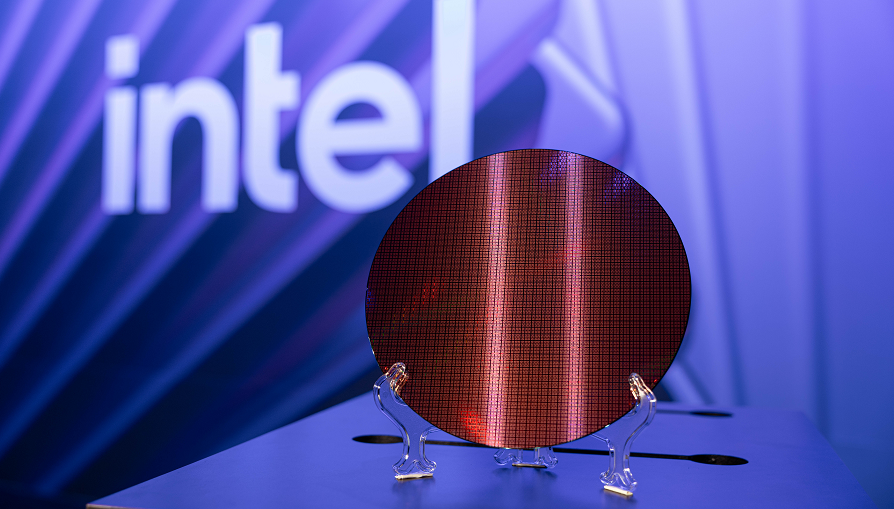
Intel’s foundry ambitions have been a cornerstone of CEO Pat Gelsinger’s strategy to revitalize the company. Since taking the helm in 2021, Gelsinger has invested billions in expanding manufacturing capacity and developing advanced process nodes, aiming to compete with TSMC and Samsung. Securing a customer of Apple’s scale and prestige could validate Intel’s foundry services and open doors to other major clients.
Why Apple and Intel?
Apple’s decision to potentially partner with Intel may seem counterintuitive given its past shift away from Intel processors in Macs. However, the reported deal does not involve Intel supplying primary processors for iPhones or Macs. Instead, it focuses on niche chips—possibly for peripherals, automotive features, or future augmented reality devices. By diversifying its supply chain, Apple reduces reliance on TSMC, which currently manufactures its most advanced chips. Geopolitical tensions and supply chain disruptions have prompted many tech giants to seek multiple sources for critical components.
Market Reaction and Investor Sentiment
The news broke during after-hours trading, triggering a sharp rally in Intel’s stock. The 13.9% surge added billions to Intel’s market capitalization, signaling that investors view the deal as a game-changer. Shares of rival chipmakers like Advanced Micro Devices (AMD) and TSMC experienced modest declines, as the market adjusted to the potential competitive shift.
Analysts have offered mixed reactions. Some see the deal as a validation of Intel’s foundry strategy, noting that Apple’s strict quality standards will push Intel to improve yield rates and production timelines. Others caution that the agreement is only preliminary and may not lead to long-term volume orders. The Wall Street Journal report emphasized that the deal remains subject to final contracts and could still fall through. Nonetheless, the immediate bullish sentiment reflects relief among Intel shareholders who have endured years of declining market share and missed deadlines.

Implications for the Semiconductor Industry
If finalized, this partnership could reshape the competitive dynamics of the chip foundry market. TSMC currently dominates with a 53% share of the global foundry revenue, while Intel trails at around 5%. By winning Apple as a customer, Intel would gain a foothold in the lucrative high-end chip production segment. It also sends a message to other potential clients that Intel can meet the demanding needs of a top-tier consumer electronics company.
Supply Chain Diversification
Apple’s move aligns with broader industry trends toward supply chain resilience. The COVID-19 pandemic, trade restrictions between the U.S. and China, and recent chip shortages have exposed vulnerabilities in relying on a single manufacturing partner. By adding Intel to its stable of suppliers, Apple hedges against disruptions at TSMC and secures more predictable delivery schedules.
Technological Synergies
The deal may also accelerate Intel’s development of cutting-edge process technologies. Apple’s chip designs are among the most power-efficient and performance-optimized in the world, pushing fabs to their limits. Collaboration could help Intel refine its Intel 4 and Intel 3 nodes, which are slated to compete directly with TSMC’s N3 and N2 processes. If Intel can successfully manufacture Apple’s custom chips, it would demonstrate parity with TSMC in advanced fabrication—a milestone many thought was years away.
What Lies Ahead?
Neither Intel nor Apple have officially commented on the WSJ report, leaving room for speculation and potential adjustments. If the deal proceeds, the first chips under the agreement could enter production within 12 to 18 months, possibly debuting in Apple devices by 2025. Long-term, this partnership could expand to cover more product lines, especially if Intel’s foundry capabilities improve.
For Intel, the agreement represents a turning point—a chance to reclaim relevance in a market it once dominated. For Apple, it offers strategic flexibility in a volatile geopolitical climate. And for the broader semiconductor industry, it signals a possible new era of competition in advanced chip manufacturing, with customers increasingly willing to split orders among multiple foundry partners. As the details emerge, technology observers will watch closely to see whether this preliminary handshake blossoms into a enduring alliance.