Breaking: Cybercriminals Now Use Phishing to Steal Freight, NMFTA Warns
Cargo theft has undergone a digital transformation: thieves no longer rely on physical hijackings but instead deploy phishing emails and stolen credentials to reroute and steal freight from global supply chains. The National Motor Freight Traffic Association (NMFTA) revealed in an urgent advisory that cyber-enabled cargo crime is now the dominant threat to transportation security.
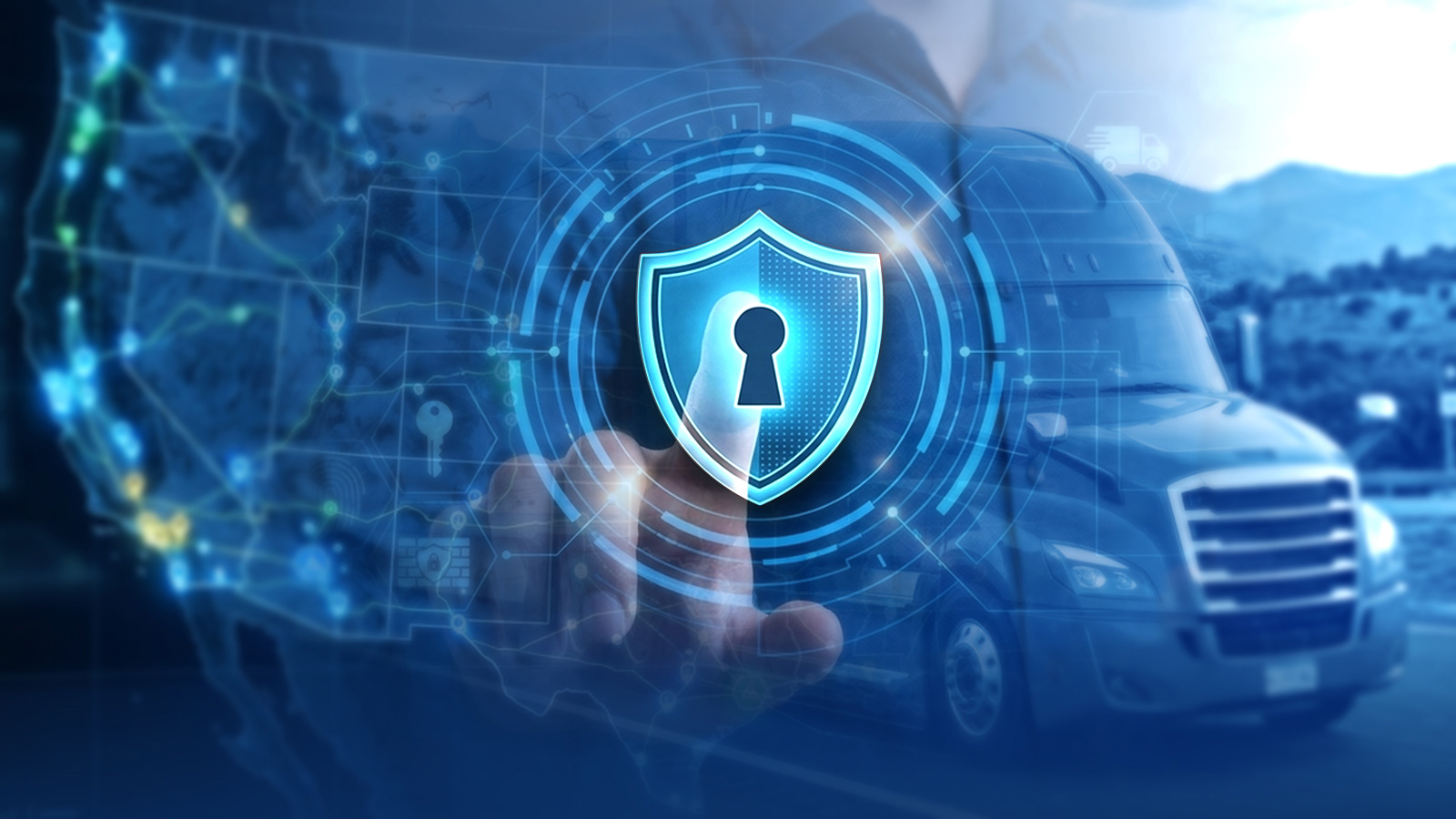
'This is a paradigm shift,' said Joe P. Smith, NMFTA's director of cybersecurity. 'Criminals are using the same tradecraft as data breaches—spear-phishing, credential harvesting, and identity fraud—to seize control of shipments before they even leave the warehouse.' The advisory, released today, outlines a sharp rise in incidents where attackers impersonate carriers or brokers to reroute loads.
How the Attack Works
The scheme typically begins with a targeted phishing email sent to a logistics employee. Once credentials are stolen, criminals log into freight management systems, change delivery addresses, and dispatch fake trucks to pick up goods. The result: containers of electronics, pharmaceuticals, or food vanish into unauthorized hands.
'In one case, a shipper lost an entire truckload of semiconductors because a single compromised password allowed the thief to reassign the shipment,' said Dr. Maria Chen, a supply chain security analyst at SecureFreight Labs. 'The victim didn't even know until the freight arrived at an empty lot.'
Background: From Hijacking to Hacking
Physical cargo theft—think truck jackings or warehouse burglaries—has declined as law enforcement and technology improved tracking. But cybercriminals saw an opportunity. The COVID-19 pandemic accelerated digitization in logistics, exposing vulnerabilities in online portals, email systems, and third-party apps.
The NMFTA's data shows a 300% increase in reported cyber-enabled cargo theft incidents since 2020. Attackers often target high-value, low-volume goods like electronics, luxury items, or medical supplies. They also exploit gaps in multi-factor authentication and vendor verification processes.

What This Means for the Industry
Transportation security must now address both physical and digital perimeters. Companies are urged to implement strong multi-factor authentication, train staff to recognize phishing, and verify carrier identities through secure channels.
'This isn't just a tech problem—it's a trust problem,' said Mark Rivera, a former logistics executive turned security consultant. 'If you can't trust the digital identity of your carrier, your cargo is at risk.' The NMFTA recommends real-time monitoring of shipment changes and mandatory two-step verification for any address modification.
For shippers, the takeaway is clear: cybersecurity is now supply chain security. Failure to adapt could mean losing more than a truckload—it could mean losing customer confidence.
Urgent Actions Needed
- Deploy phishing-resistant authentication for all logistics systems.
- Require out-of-band verification for any reroute or carrier change.
- Conduct regular red-team exercises simulating cyber cargo theft.
- Share threat intelligence through industry groups like NMFTA.
'The window for action is shrinking,' warned Smith. 'Every day a company relies on weak passwords is a day they are inviting thieves into their supply chain.'