Breaking: Coal Pollution Clouds Solar Panels, Cutting Power Output
New research reveals that aerosols released by coal-fired power plants hover over nearby solar arrays, scattering incoming sunlight and significantly reducing the efficiency of photovoltaic cells. The effect is akin to how fine particulate matter damages human lungs — but here it robs solar farms of clean energy generation.
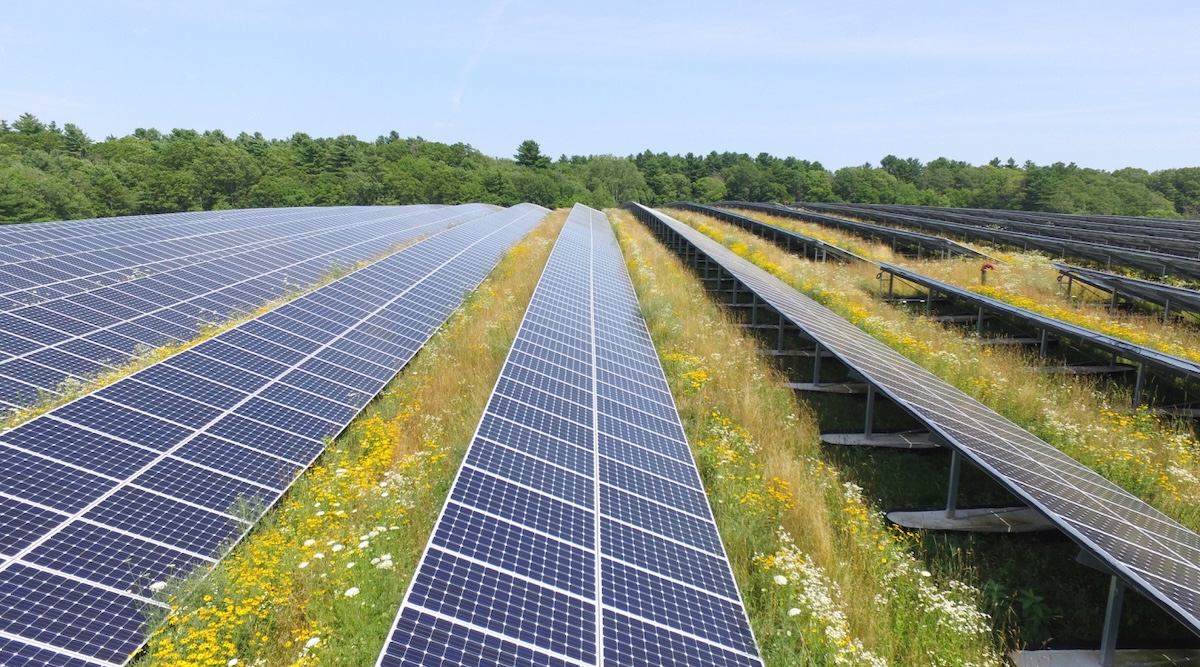
“We found that even moderate levels of coal-derived aerosols can cut solar panel output by up to 10-15% on clear days,” said Dr. Emily Tran, lead atmospheric scientist at the Solar Energy Research Institute. “This is a hidden cost of coal that undermines the viability of adjacent solar investments.”
Background: The Physics Behind the Dimming
Coal combustion releases sulfur dioxide, nitrogen oxides, and fine particulate matter. These particles form persistent haze layers that diffuse direct sunlight into diffuse light — a form of radiation that is less effective for standard solar panels optimized for direct beam radiation.
“The aerosols act like a thin, semi-transparent blanket,” explained Dr. Mark Rivera, professor of renewable energy physics at Stanford University. “They scatter photons in all directions, reducing the intensity of the direct sunlight that panels need to operate at peak efficiency.” The effect is most pronounced within a 50-kilometer radius of a coal plant, but can extend much farther under certain wind patterns.
Impact on Real‑World Installations
Field measurements at several utility-scale solar farms located downwind of coal plants confirm the lab findings. Data show that on days with heavy coal haze, power output drops by an average of 12% compared to clean‑air days, even when cloud cover is minimal.
“This isn’t a fringe issue — it’s a systematic drag on clean energy in many regions,” said Dr. Tran. “For every megawatt of coal capacity nearby, the solar farm loses a significant chunk of its expected generation.”
What This Means: A Double Blow to Clean Energy Transition
The findings add a new layer of complexity to energy policy. While solar and coal often compete for market share, coal’s harmful effects on solar output mean that continuing to operate coal plants could actively undermine the financial viability of solar projects in the same region.
“Policymakers need to account for this cross‑technology interference,” said Dr. Rivera. “Subsidies for solar may be partially offset by the hidden costs imposed by nearby coal emissions.” The research suggests that optimal siting of new solar farms should consider prevailing wind patterns and coal plant proximity, and that pairing solar with energy storage could help mitigate production volatility caused by variable haze.
Broader Implications for Air Quality and Energy Planning
The study also reinforces the connection between air pollution and energy infrastructure. Just as coal particulates harm human health, they now show a measurable, economic impact on clean energy hardware.
“We know coal pollution damages lungs — this study shows it also damages solar panels’ ability to produce power,” Dr. Tran noted. “It’s a reminder that fossil fuels impose costs far beyond combustion.” The authors call for integrated air quality and energy planning to ensure that solar investments aren’t undermined by legacy coal plants.
Read more about the original study in CleanTechnica’s coverage.