The Strait of Hormuz—a narrow waterway connecting the Persian Gulf to the open ocean—is one of the most strategically vital shipping lanes in the world. Recently, Iran launched a groundbreaking initiative called Hormuz Safe, a platform that allows shipping companies to obtain insurance coverage using Bitcoin as the settlement currency. This move merges cryptocurrency with maritime logistics in a region already known for geopolitical tension. Below are the ten essential facts you need to understand about this innovative—and controversial—development.
1. What Is Hormuz Safe?
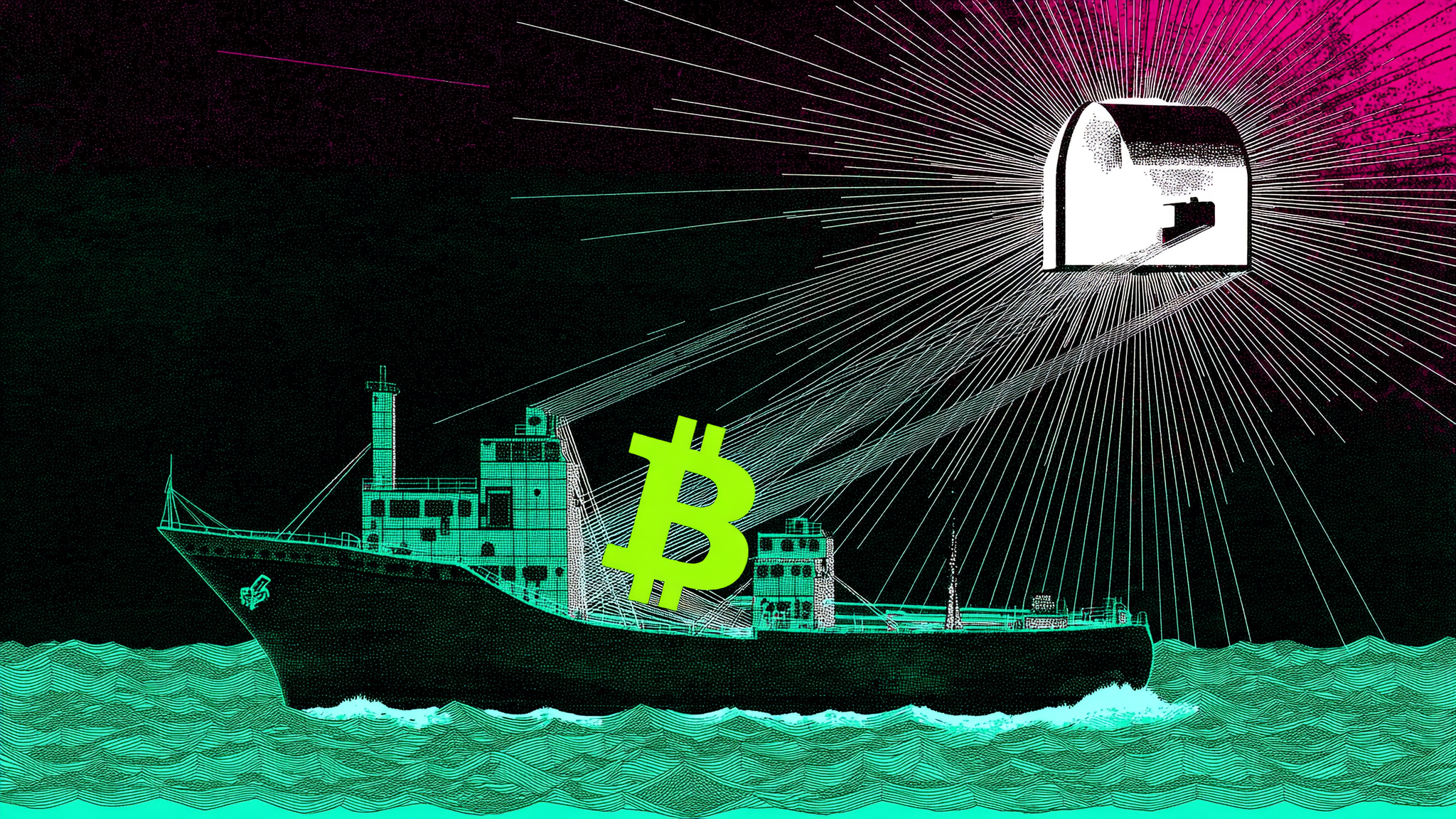
Hormuz Safe is an insurance platform specifically designed for vessels transiting the Strait of Hormuz. It enables maritime insurers to underwrite policies and settle claims using Bitcoin instead of traditional fiat currencies. The platform was launched by Iranian entities, signaling a deliberate effort to leverage digital assets for maritime risk management. By accepting Bitcoin, the platform bypasses conventional banking channels, which are heavily restricted under international sanctions. Learn more about why Bitcoin matters here.
2. Why Bitcoin Settlement Was Chosen
Bitcoin offers decentralised, borderless transactions that do not rely on any central bank or government oversight. For Iran—subject to severe financial sanctions—Bitcoin provides a way to engage in international insurance contracts without needing US-dollar clearing. The platform uses Bitcoin’s blockchain to record and verify transactions, ensuring transparency and reducing counterparty risk. This is not merely a gimmick; it addresses a practical need for accessible, non-sanctionable payment methods.
3. The Strategic Importance of the Strait of Hormuz
About 20% of the world’s petroleum passes through the Strait of Hormuz daily. Any disruption to shipping here can rattle global energy markets. Insuring vessels in this high-risk zone is notoriously expensive, and many international insurers refuse to cover war or political risks in Iranian waters. Hormuz Safe fills that gap by offering locally underwritten policies settled in Bitcoin, ensuring coverage continues even under strained diplomatic relations.
4. How the Insurance Underwriting Process Works
Shipping companies register on the Hormuz Safe platform and submit vessel details. Insurers (mostly Iranian firms) assess the risk—taking into account hull value, cargo, and geopolitical tensions—and quote a premium in Bitcoin. Once the policy is accepted, the premium is paid in Bitcoin directly to the insurer. If a claim occurs, the platform’s smart contracts trigger a payout in Bitcoin, again avoiding fiat banking. The entire process is automated using blockchain technology.
5. Who Are the Primary Customers?
The platform targets both Iranian and foreign shipping operators who need insurance for transiting the Strait of Hormuz. Small to mid-sized shipping companies that struggle to obtain coverage from Western insurers are expected to be the main users. Additionally, oil tankers and cargo vessels owned by nations friendly to Iran (such as Russia and China) may find Hormuz Safe convenient. However, foreign companies must carefully evaluate the legal implications of dealing with Iranian entities.
6. Regulatory and Compliance Hurdles
Using Bitcoin for insurance does not automatically exempt participants from international laws. The US and EU maintain secondary sanctions on Iran that target any business facilitating Iranian trade. Even if the settlement is in cryptocurrency, a US insurer or shipping company could face penalties for engaging with Hormuz Safe. Meanwhile, Iran itself lacks comprehensive crypto regulation, creating uncertainty about the platform’s legal status under Iranian law. See the geopolitical implications.

7. Impact on Cryptocurrency Adoption
Hormuz Safe demonstrates a real-world use case for Bitcoin beyond speculation and retail payments. By integrating crypto into a critical industry like maritime insurance, Iran is legitimising digital assets as tools for international commerce. This could encourage other sanctioned nations—such as Venezuela or North Korea—to adopt similar models. Conversely, it may alarm regulators who see crypto as a means to evade sanctions, potentially triggering stricter global oversight.
8. Geopolitical Tensions and Sanctions Exposure
Iran’s launch of this platform is partly a response to tightening sanctions and the seizure of Iranian assets abroad. By using Bitcoin, Iran reduces reliance on the SWIFT banking system and the US dollar. However, this also raises the stakes: the US could target the platform itself or impose penalties on any company using it. The platform therefore sits at the intersection of financial innovation and geopolitical brinkmanship, making it a litmus test for how decentralized finance interacts with state sovereignty.
9. Comparison with Traditional Marine Insurance
Traditional marine insurance in the Gulf region is dominated by London and Singapore markets, with premiums paid in US dollars and claims processed through banks. Hormuz Safe offers lower transaction costs (no SWIFT fees) and faster settlement—potentially slashing claim times from weeks to hours. Yet it lacks the reinsurance capacity and decades of actuarial data that established markets provide. For small claims, Bitcoin may be efficient; for major catastrophes, the platform’s solvency remains unproven.
10. What the Future Holds
If Hormuz Safe succeeds, it could spur a wave of blockchain-based insurance platforms in other volatile regions—from the South China Sea to the Gulf of Aden. Iran may also expand the platform to cover cargo insurance and even hull insurance for ships anchored at Iranian ports. However, major challenges include Bitcoin’s price volatility (premiums may fluctuate wildly) and the risk of hacking or regulatory shutdown. The platform’s longevity will depend on how well it navigates these hurdles while maintaining trust among global shippers.
Conclusion
Iran’s Bitcoin-settled insurance platform for the Strait of Hormuz is more than a niche experiment—it is a sign of how cryptocurrencies are reshaping global trade under sanctions. By decoupling insurance from the traditional financial system, Hormuz Safe offers a lifeline to shippers while challenging the dominance of the US dollar. Yet the same features that make it attractive also invite scrutiny and risk. As the platform develops, it will serve as a case study in the intersection of blockchain, geopolitics, and maritime commerce.