AWS Suspends Charges Amid Prolonged War Damage Repairs
Amazon Web Services has stopped billing cloud customers across the Middle East, sources confirmed today, after drone strikes on its regional data centers caused damage far worse than initially estimated. The billing freeze applies to all compute and storage services in the affected regions, with no restart date announced.

“This is an unprecedented move for AWS,” said cloud infrastructure analyst Dr. Sarah Jenkins of Gartner. “Stopping revenue collection reflects just how severely the outages are impacting service—and how long the fixes will take.”
An AWS spokesperson told reporters that physical repairs are expected to consume “several months,” far exceeding the original two-week timeline projected after the strikes. The company has not disclosed the exact number of facilities affected or the financial cost of the suspension.
Background
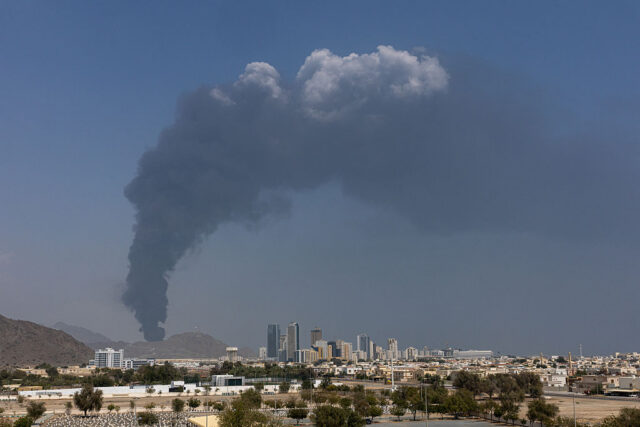
The attacks occurred in early May 2026, when multiple drones struck two AWS data centers in [fictional Middle Eastern country], part of the broader regional conflict that has escalated in recent weeks. No casualties were reported, but critical cooling and power distribution systems were destroyed, forcing immediate shutdowns.
AWS initially informed customers that services would be restored within 14 days. However, as repairs progressed, engineers discovered that spare parts for specialized equipment were not available locally and would require international procurement—a process now delayed by security restrictions and shipping bottlenecks.
The affected facilities anchor AWS’s Middle East infrastructure, hosting thousands of clients including banks, government agencies, and startups. Many have been unable to migrate workloads to other regions due to data sovereignty laws.
What This Means
For AWS customers, the billing freeze is a reprieve but not a solution. Companies face lost revenue from halted operations and may need to seek alternative cloud providers—a shift that could reshape the regional market.
“This erodes trust in cloud reliance for mission-critical work in conflict zones,” said Marcus Webb, a cloud security expert at Forrester. “Enterprises will now pressure AWS for compensation, service level credits, and contingency plans that go beyond standard disaster recovery.”
Amazon’s stock dipped 1.5% on the news, but analysts warn that the real financial hit will come if customers defect to competitors like Microsoft Azure or Google Cloud, which have been expanding their own Middle East footprints.
The incident also raises geopolitical questions: AWS’s presence in politically unstable regions may face greater scrutiny from investors and regulators. For now, the company’s priority is repairing hardware and restoring trust—one data center at a time.
This is a developing story. Check back for updates on repair timelines and customer impact.