Tesla Reveals Plans for 1 Million Humanoid Robots Per Year
Tesla's latest shareholder report reveals ambitious plans to produce 1 million humanoid Optimus robots annually. The company confirms that preparations for its first large-scale Optimus factory will begin in Q2. The initial production line is designed to replace the Model S and Model X assembly lines at its Fremont facility.
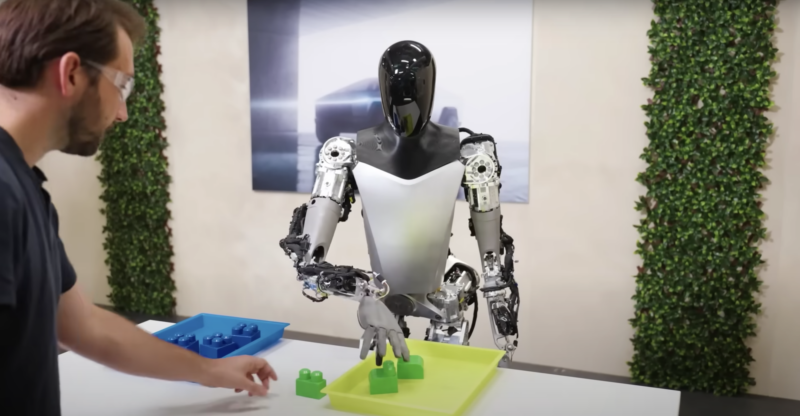
The report mentions the term "robots" three times, twice within the Robotics section. This marks a significant escalation from previous prototypes, signaling Tesla's intent to mass-produce humanoid machines.
Where Will They Go? Analysts Question Market Demand
Industry experts are raising critical questions about who would purchase 1 million humanoid robots annually. "The industrial sector is the obvious first customer, but even then, demand on that scale is unprecedented," says Dr. Elena Marchetti, a robotics analyst at TechFutures Research.
Tesla has not disclosed specific customer agreements. The company's past success with electric vehicles doesn't guarantee a similar market for humanoid robots, which face different regulatory and labor challenges.
Background
Tesla first unveiled the Optimus prototype in 2022, showing a walking robot capable of carrying basic objects. The company has since refined the design but remained vague on commercial applications.
The decision to retool Model S and Model X lines for robot production suggests Tesla is prioritizing automation over vehicle capacity. Both car models have seen declining sales, making their manufacturing lines available for conversion.
What This Means
If Tesla achieves its target, it would become the world's largest humanoid robot manufacturer overnight. But the lack of clear customers raises concerns about manufacturing viability and return on investment.
"Tesla may be overestimating near-term industrial demand," warns Carlos Mendez, a manufacturing strategist. "Most factories today don't need millions of humanoid bots. The market could be 10 years away."
Shares of Tesla dipped slightly following the report's release, reflecting investor uncertainty. The bold plan also pressures competitors like Boston Dynamics and Figure AI to accelerate their own production.
Potential Buyers: Factories, Warehouses, and Beyond
Tesla positions Optimus for repetitive labor roles in manufacturing, logistics, and even domestic use. But each application requires tailored software and safety certifications, creating adoption hurdles.
Elon Musk has previously hinted at using Optimus in its own factories. Internal deployment could absorb a fraction of the output, but 1 million units demands external orders.
Competition and Pricing Pressures
No other company has announced humanoid robot production at this scale. Competitors are expected to push back with lower-cost solutions.
Tesla aims for a price under $20,000 per unit, matching the cost of a standard car. However, analysts note that total ownership costs, including maintenance and training, may deter small buyers.
Regulatory and Ethical Hurdles
Mass deployment of humanoid robots raises new workforce displacement questions. Governments may impose restrictions on robot-to-human ratios or require safety certification.
Tesla has not commented on compliance timelines. The company may rely on existing car safety standards, but regulators treat industrial robots differently from autonomous vehicles.
Editor's note: This article includes internal anchor links to Background and What This Means sections.