What You Need
- Dark skies away from city lights for meteor viewing
- Clear horizon toward the east for the meteor shower and west for the conjunction
- Patience and time to let your eyes adapt (20-30 minutes)
- Optional: binoculars or a small telescope for closer looks at Venus and the Moon
- Weather check: confirm local forecast for cloud-free nights
- Comfortable seating (reclining chair or blanket for meteor watching)
Step-by-Step Guide
Step 1: Experience the Eta Aquarid Meteor Shower (May 5–6)
This annual meteor shower, originating from Halley’s Comet, peaks before dawn on May 5th and 6th. These shooting stars are fast—about 40 miles per second—and can leave glowing trails. Under ideal conditions, you might see up to 50 meteors per hour. However, bright moonlight this year may hide the fainter ones.
- Pick a dark spot far from artificial lights. Allow at least 20–30 minutes for your eyes to adjust.
- Avoid looking at your phone screen; any bright light ruins night vision.
- Face east and look generally upward. The radiant (apparent source) is in the constellation Aquarius, which rises a few hours before dawn.
- Watch between 2 a.m. and dawn local time for the best activity. The shower is most visible after midnight.
- Dress warmly and bring a reclining chair or blanket for comfort during longer sessions.
For more details, see the meteor watching tips below.
Step 2: Observe the Moon and Venus Conjunction (May 18)
On May 18th, just after sunset, look west. A slender crescent Moon will be right next to Venus, the brilliant “Evening Star.” This pairing is easy to spot—the Moon acts as a guide. While they appear close, they are millions of miles apart in space.
- Find a location with an unobstructed westward view (no tall buildings or trees).
- Go outside about 30–45 minutes after sunset when the sky is still bright enough to see the pair but dark enough to spot Venus.
- Look for the thin crescent Moon; Venus will be a dazzling point of light very close by.
- Use binoculars to get a closer look at the Moon’s dark side (earthshine) and to see Venus’s crescent phase (if using a telescope with moderate power).
- Enjoy the view for 1–2 hours before they set.
Step 3: Catch the Rare Blue Moon (May 31)
The month ends with a second Full Moon in May—known as a Blue Moon. It won’t actually appear blue; it’s just a term for a second full moon in the same calendar month. This event is relatively rare, giving rise to the phrase “once in a blue moon.”
- Check the moonrise time for your location on May 31st. It rises near sunset.
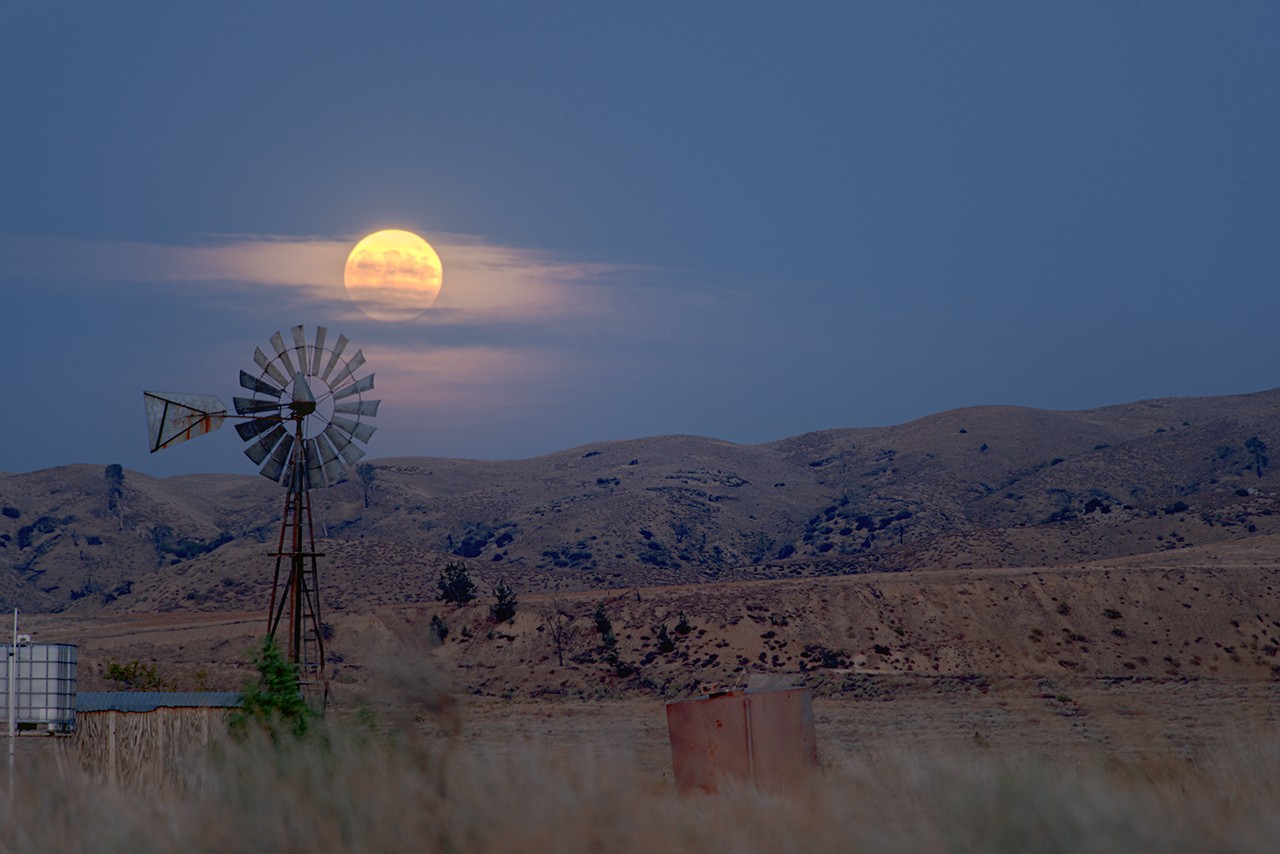
- Choose a spot with a clear eastern horizon to watch the Moon ascend. The view is especially striking as it rises with an orange tint.
- Observe the Moon throughout the night—it will be visible all night, setting around dawn.
- If you have a telescope or binoculars, scan the lunar surface to see craters and maria (dark plains) in sharp detail.
- Photograph the Blue Moon by using a tripod and a telephoto lens for dramatic close-ups.
Tips for Meteor Watching
- Go dark: The darker your location, the more meteors you’ll see. Light pollution drastically reduces counts.
- Let your eyes adjust: Avoid any white light for at least 20 minutes. Use a red flashlight if you need to see.
- No binoculars needed: Meteors move too fast and appear over such a wide area that binoculars actually limit your view.
- Be patient: Meteors often come in spurts. Plan to watch for at least an hour.
- Dress for the weather: Before dawn temperatures can be cool, even in May. Bring layers and a blanket.
General Skywatching Tips for May 2026
- Use a star map app (like NASA’s What’s Up or others) to identify constellations and planets.
- Record what you see: Jot down the time, number of meteors, and any special features. It adds to the fun!
- Share the experience: Invite friends or family—watching the sky together is more enjoyable.
- Check the Moon phases for May: New Moon on May 7, First Quarter on May 15, Full Moon (Blue) on May 31. Moon phases affect visibility of dim objects.
Moon Phases for May 2026
- May 7: New Moon (dark skies ideal for meteors)
- May 15: First Quarter (visible in evening)
- May 23: Full Moon (bright, but not the second one)
- May 31: Blue Moon (second full moon – the rare event)
Whether you’re up before dawn on May 5–6, enjoy the sunset planet pairing on the 18th, or celebrate the rare Blue Moon on the 31st, May 2026 offers memorable skywatching. Happy stargazing!